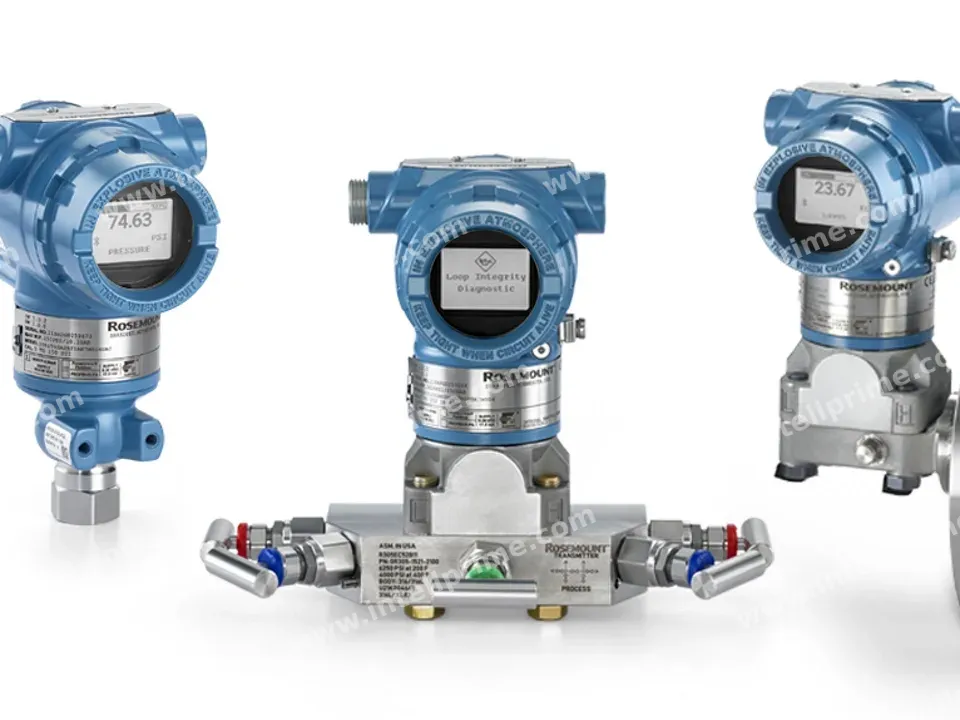
Remote Seal System Selection: Critical Details for Vacuum Negative‑Pressure & Low‑Temperature Applications
If you require technical support for remote seal system sizing and selection, please contact our sales & technical team.
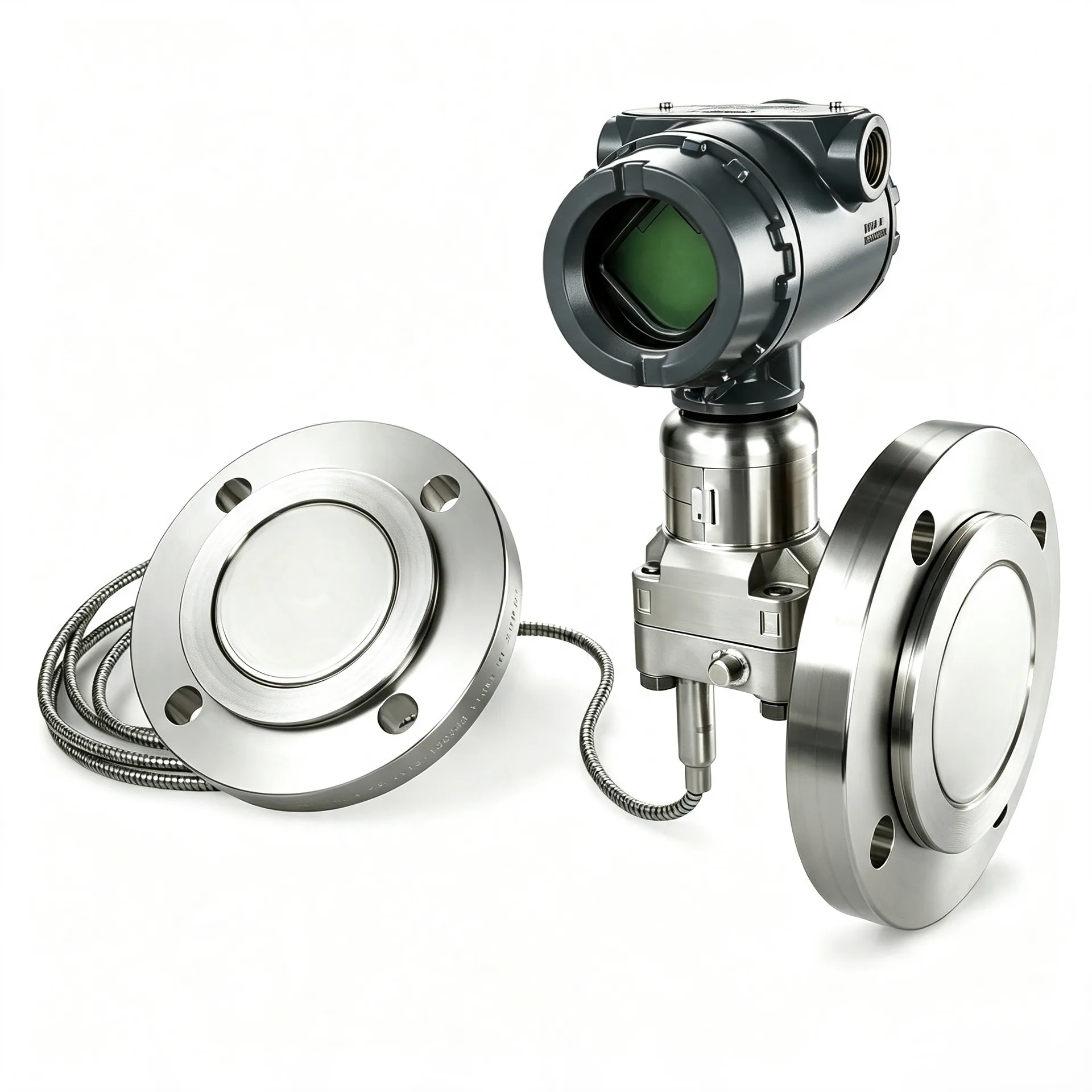
Remote seal systems are widely adopted together with pressure / differential pressure transmitters for challenging process conditions, isolating transmitters from corrosive, high‑viscosity, easy‑crystallization media. Proper selection becomes especially critical under vacuum negative‑pressure and low‑temperature working conditions, where improper configuration will lead to measurement drift, oil cavitation, seal failure and unexpected plant downtime.
For vacuum and negative‑pressure applications, users shall pay close attention to fill‑fluid performance, absolute pressure tolerance and system total volume balance. Low‑vapor‑pressure fill fluid is mandatory to avoid fluid vaporization inside capillary under vacuum. Engineers need to evaluate vacuum degree continuously, check flange size, diaphragm stiffness, and minimize capillary length to reduce volumetric variation risk. Improper fill‑fluid selection will cause cavitation, resulting in unstable or drifting readings.
When deployed for low‑temperature scenarios, freezing resistance of fill‑fluid is the primary consideration. Different fill‑fluid types have distinct minimum operating temperature limits. Besides media temperature, ambient environmental temperature at transmitter installation location must also be taken into account. Users should avoid temperature cycling impact, prevent fill‑fluid condensation or solidification which would block pressure transmission. In addition, material compatibility of diaphragm, flange and gasket with process fluid cannot be ignored under low‑temperature conditions.
Combined vacuum‑negative‑pressure plus low‑temperature conditions bring combined risks. It is necessary to comprehensively verify fill‑fluid parameters, diaphragm material, capillary layout, mounting orientation and transmitter configuration. Simulation assessment for thermal expansion and contraction is recommended before final ordering.
Chemical, petrochemical, energy and pharmaceutical plants frequently encounter these complex working conditions. Right remote‑seal configuration improves measurement stability, extends service life and reduces maintenance cost.